
How Vermont Keeps Cannabis Safe: Inspections & Compliance
Safety & Education
Vermont’s cannabis industry is thriving, but safety and quality remain the top priorities.
As Vermont’s cannabis market continues to grow, so does the responsibility to protect consumers and maintain public trust. The Cannabis Control Board (CCB) has implemented a system of inspections, testing, and compliance measures to make sure products are safe from seed to sale. These steps aren’t just about enforcement, they’re about education, prevention, and ensuring that Vermont’s legal cannabis market remains trusted.
Growing Market, Growing Responsibility
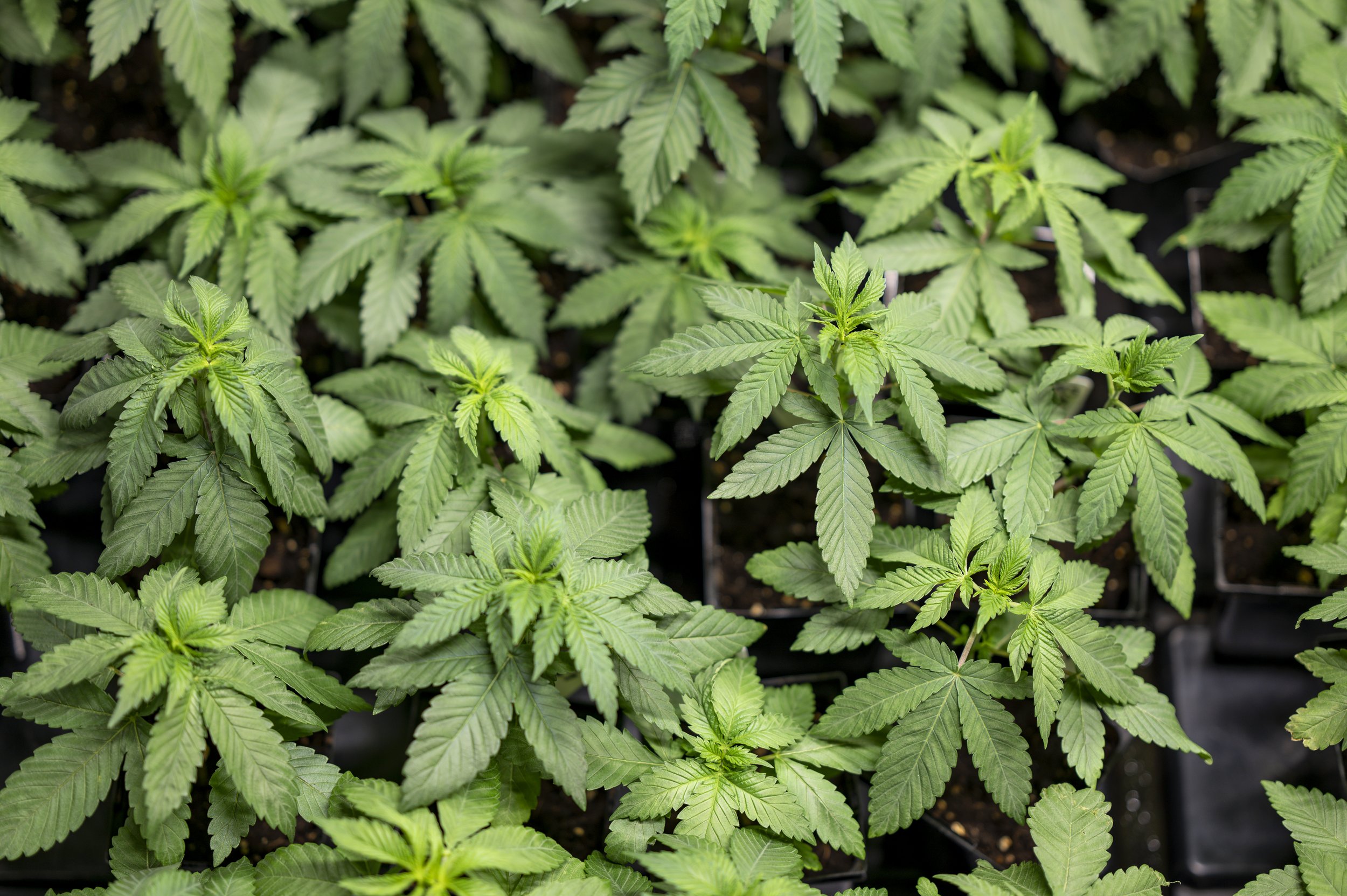
The state’s legal cannabis market has expanded rapidly, surpassing early projections. By mid-2024, retail sales reached $128 million, far above the original $86 million estimate. Vermont is now home to 77 dispensaries and nearly 400 cultivation licenses. With this level of growth, inspections have become even more critical to ensure that safety standards scale alongside the industry.
The Infrastructure of Safety: Testing Labs
One of the most important tools for consumer protection is product testing. Vermont is preparing to open its first state-run cannabis testing laboratory in Colchester (2025), staffed by experienced chemists. This facility will test cannabis for pesticides, pathogens, and potency, adding an extra layer of quality assurance to the industry.
“What you’re getting with the taxed and regulated market is a guarantee there’s no harmful pesticides… This lab is going to be central to making sure we’re achieving that mission.”
On-the-Ground Inspections: Education and Enforcement
Beyond lab testing, the CCB’s compliance team conducts unannounced inspections of licensed businesses. Inspectors review cultivation practices, recordkeeping, storage, and surveillance systems to confirm businesses are meeting state rules.
These inspections often focus first on education—helping cultivators and retailers understand the standards—while also enforcing accountability when necessary. Violations are categorized on a scale from 1 to 5 with escalating penalties:
Category I (most severe): Fines up to $20,000, license suspension (up to 60 days for first violations), or revocation.
Category II: Fines up to $15,000–$20,000, and suspensions up to 30 days.
Category III: Fines up to $10,000–$20,000, with suspensions up to 20 days.
Category IV: Fines up to $5,000–$20,000, with suspensions up to 30 days.
Category V (least severe): Fines up to $2,500–$15,000, with suspensions up to 20 days.
This system gives the Board flexibility to respond proportionally, from corrective action plans and warning letters to maximum penalties for the most serious infractions.
Responding to Contamination & Consumer Safety Alerts
When problems arise, the CCB has acted quickly to protect consumers. In February 2023, cannabis products from a certain manufacturer were recalled from five retail stores after they tested positive for myclobutanil, a banned fungicide linked to consumer illness. Under Vermont law, contaminated products are immediately removed and destroyed, and offending operators face penalties.
This recall highlighted the importance of inspections and testing as safeguards against public health risks.
Building Trust Through Compliance
From packaging rules to pesticide bans, Vermont’s cannabis regulations are designed to keep consumers safe while giving businesses guidelines to follow. Inspections and compliance checks aren’t just about catching violations they’re about building a marketplace where consumers can feel confident that every product meets strict safety standards. As the industry continues to grow, Vermont’s commitment to safety ensures that quality and consumer wellbeing will remain at the core of its legal cannabis market.
At a Glance
Rigorous oversight: Unannounced inspections and compliance checks ensure cultivators and retailers follow state rules.
Independent testing: A new state-run lab will screen cannabis for potency, pesticides, and contaminants.
Strong enforcement: Violations carry fines up to $20,000, with penalties scaled by severity to protect consumers.
Sources
WCAX. Vermont poised to open first state-run cannabis testing lab. August 2025. Link
WCAX. Cannabis Control Board’s approach to marijuana producers falling out of compliance. February 2023. Link
VTDigger. Eyeing a crowded market, Vermont cannabis sellers wonder what’s next. August 2024. Link
Seven Days Vermont. Cannabis compliance agents ensure that Vermont growers know and follow the rules. October 2022. Link
AP News. Vermont cannabis recalled for pesticide contamination. February 2023. Link
Vermont Cannabis Control Board. Rule 4: Compliance and Enforcement (Adopted Text).